
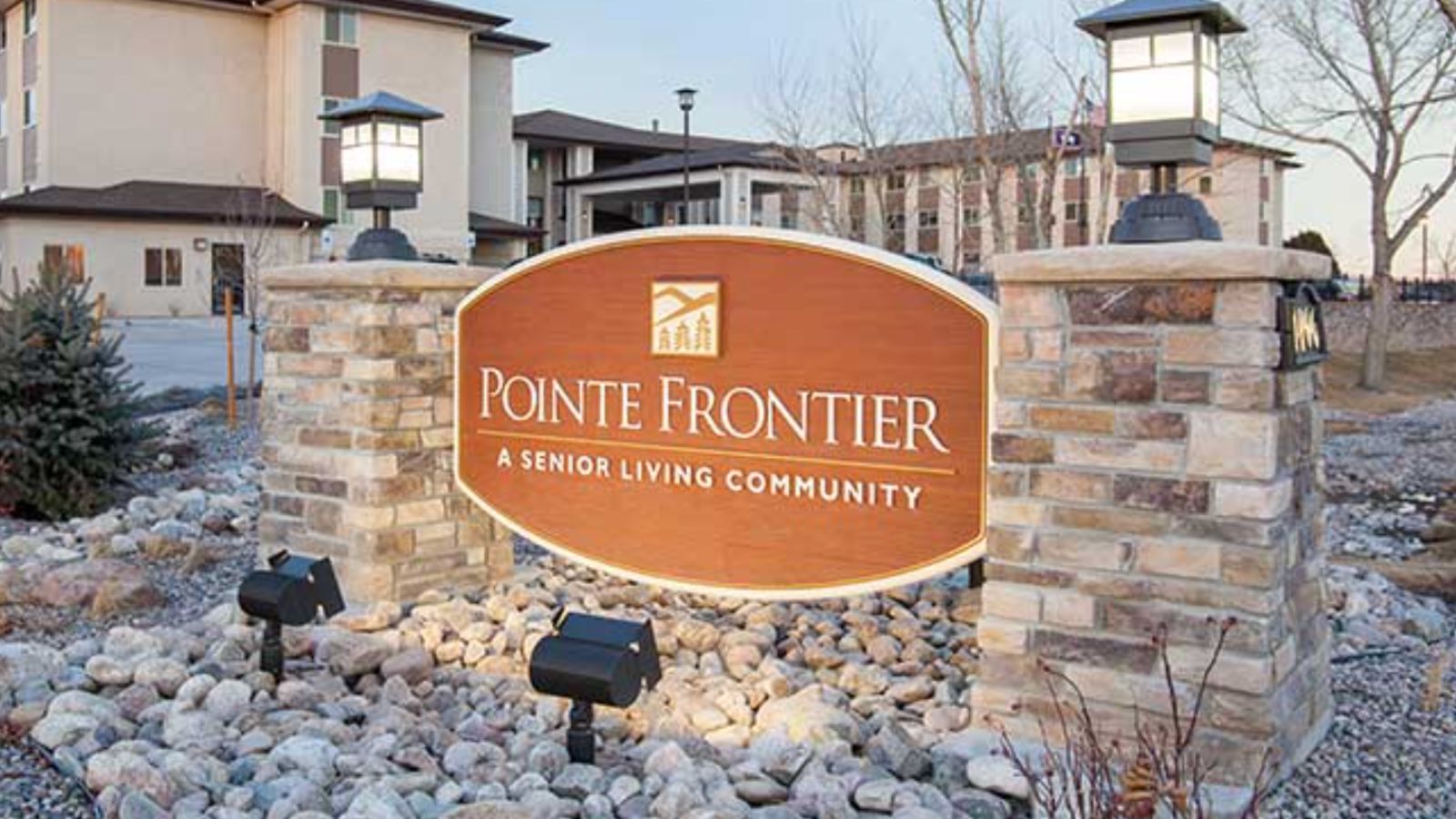
Tatiawna Besserman started her first week as Executive Director the same week Serenity’s Smart Concierges were rolled out at Century Park’s Pointe Frontier Senior Living Community. She was still learning her staff, still getting to know residents in their 80s and 90s, including a 102-year old resident, who wanted nothing to do with the new technology in their apartments. She built her operation around Serenity Smart Community anyway.
Her approach to staff was less about enforcement and more about belief. She ran frequent classes at rollout, held weekly “Tech Time” drop-ins for residents, and had the front desk send announcements to Smart Concierge’s letting residents know when the mail is in, reminding them about activities, alerting them to fire drills, and more.
Soon, it became part of the daily rhythm of the building. Most importantly, she framed the daily wellness check-in feature around safety, not technology. “We want them to know we are here for their safety,” says Besserman. “This helps them complete their check-in while they make their morning coffee, keeping independence while ensuring we have auditable records.”
“Our residents have really embraced it now. They don’t think of it as technology. They think of it as their connection to the community and to their families. And they really enjoy playing music and news, too.”
– Jeanie Q., Front Desk Concierge, Pointe Frontier Retirement Community
A 95% Adoption Rate and a Differentiator You Can’t Replicate With a Brochure
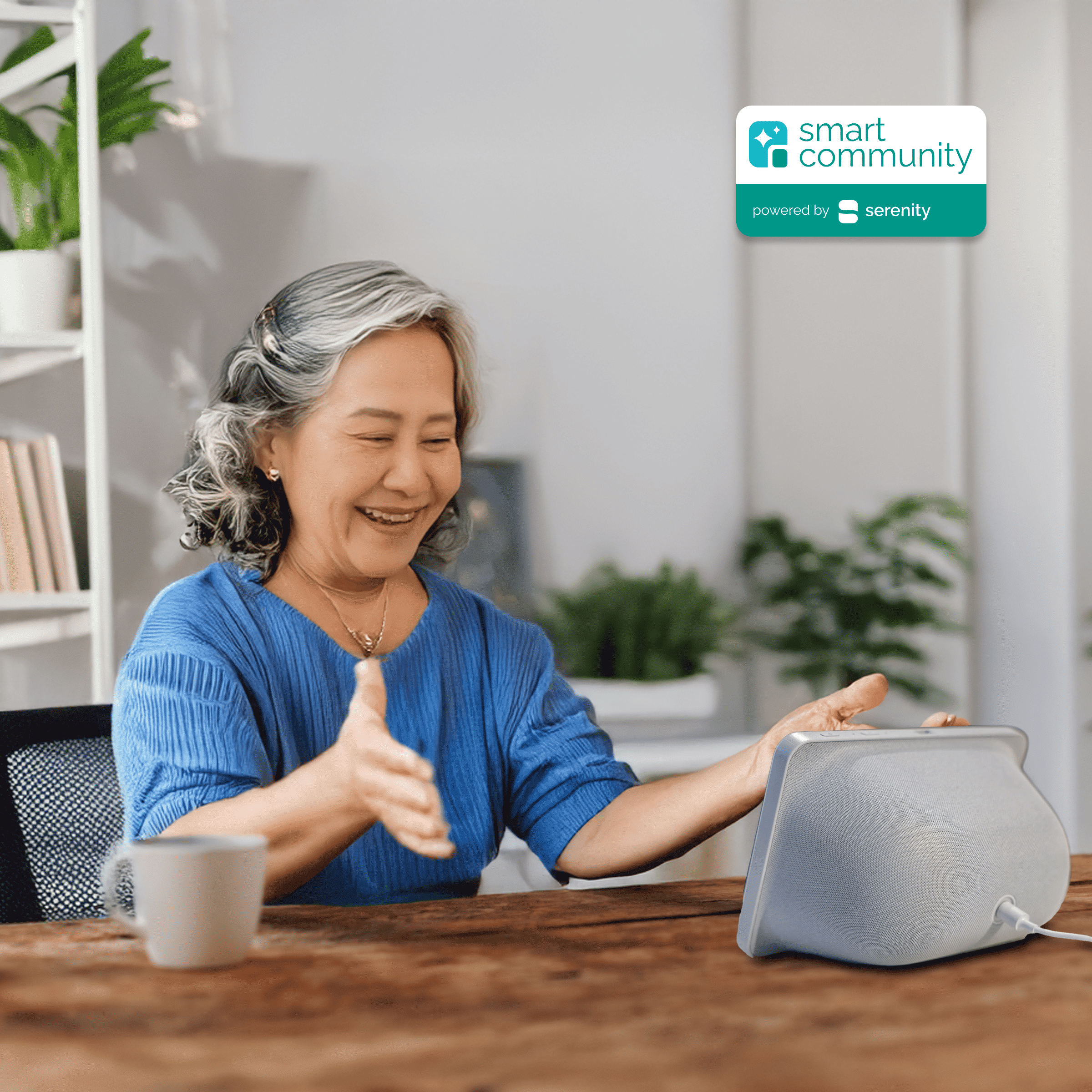
Cheyenne, Wyoming has three independent living options. Pointe Frontier is the only smart community. One competitor uses a toilet-flushing sensor. The other has a life alert. Both are single-use options. Neither can walk a touring family through a live demonstration of a Smart Concierge. A single voice-activated platform that allows residents to check-in, call for help, get activities and menus, play music, set alarms, video call with family and more. All of this with community residents visibly using it in the background, and a 95% adoption rate. That’s not a feature comparison. That’s a category difference.
“It’s about the resident and family experience. When they hear about the check-in feature, the ability to use their voice to get help, and all the other things it can do, they’re like, ‘Wow. That’s really awesome.’ That peace of mind, that’s what closes it.”
– Kristen, Sales Director, Pointe Frontier Retirement Community
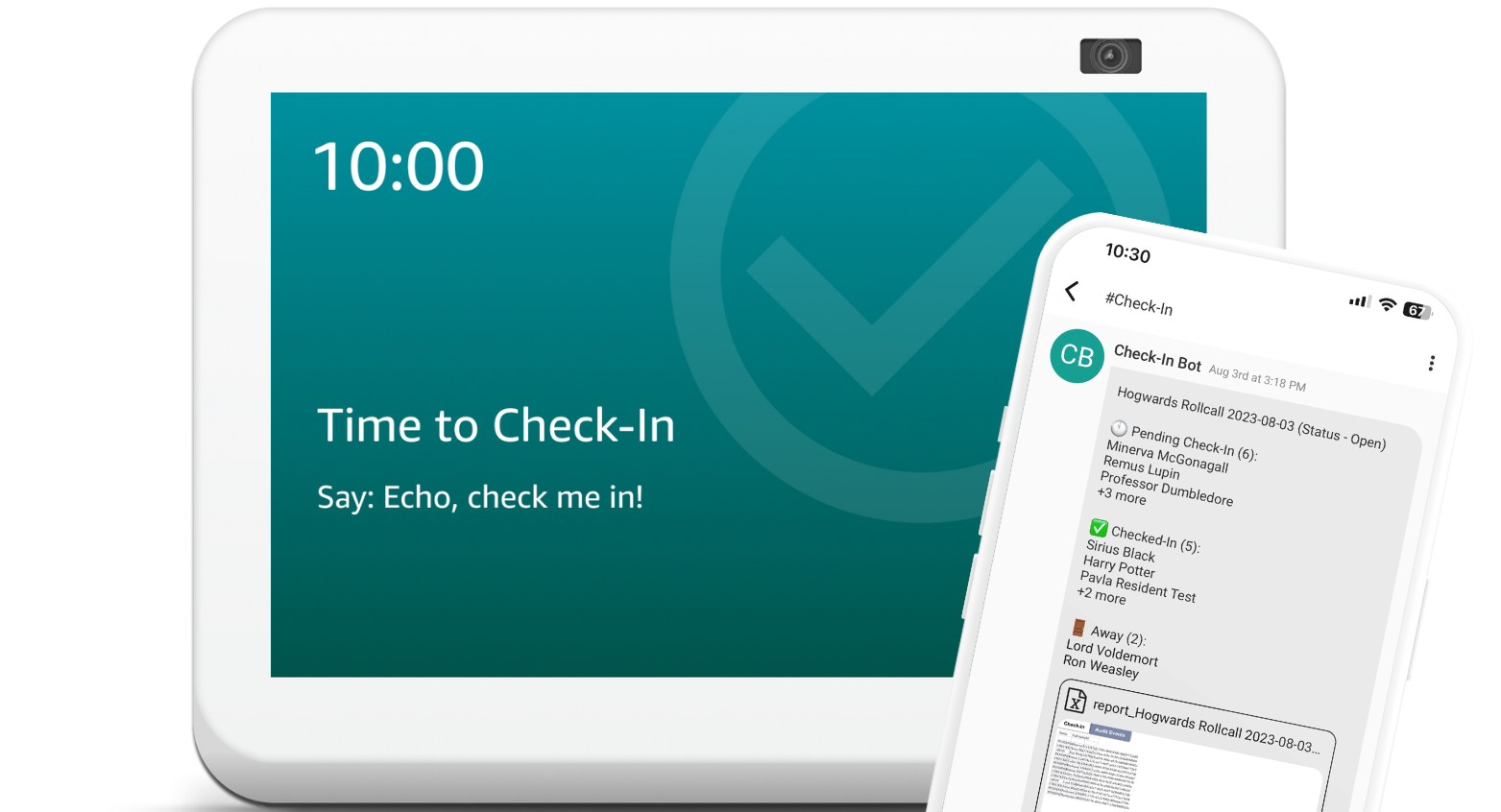
Families placing a parent hours away need to trust someone will notice if something goes wrong. Serenity gives Kristen something no brochure can. The knowledge that twice a day, the building is actively accounting for every resident, and if they don’t check in, a human being is on the way to their door. Census has been climbing steadily since Kristen joined two years ago, with a goal of 90% occupancy in sight.
For families scattered across Wyoming and beyond, that promise is everything. They exhale a little more easily. Because they know someone will be notified.
The Moment That Made It Real
An Independent Living resident who was consistent, engaged, and known by his daily habits didn’t check in one morning. Staff called his apartment. There was no answer. They went upstairs. Sadly, he had passed away.
Because of the check-in feature, the team knew within hours, not at the end of the day or the next morning as it could be with so many other senior living communities. The family was grateful. In an independent living community, someone noticed.
“We were able to address this so quickly because of Serenity Smart. Our response time was much faster.”
— Tatiawna, Executive Director, CP Pointe Frontier
Team Culture Changed Too
Serenity is much more than a Smart Concierge. It is our operational platform for workflow and communication to ensure our teams are aligned and efficient. HIPAA-compliant conversations allow our clinical team to instant message with our partner providers. For example, the team communicates daily with the community’s contracted pharmacy, to the tune of over 400 messages a month. What used to live in phone messages that piled up and handwritten notes that got easily lost is now in a single documented thread, and every nurse on the floor is in the loop.
At Pointe Frontier, including for one remarkable 102-year-old, Serenity has become something no one wants to give up. Not the staff. Not the concierge who’s gotten her afternoon wellness calls down to three or four. Not the residents who ask their smart concierge what’s for dinner and check in twice a day.
That’s what a culture shift looks like when it takes hold.

About Pointe Frontier
Pointe Frontier Retirement is a Century Park community in Cheyenne, Wyoming, offering 159 independent living and assisted living options.
Questions we hear from operators
How do you get residents to actually use it?
Start with why, not how. Tatiawna introduced the daily wellness check-in as a safety feature, not a technology feature. “We want them to know we are here for their safety,” she told her team. Residents who understood that someone would notice if they didn’t check in were far more motivated than residents who were handed a device and shown a tutorial. Weekly Tech Time drop-ins helped. So did having the front desk use Smart Concierge for announcements residents already cared about — mail arrival, fire drills, activity reminders. The technology became part of the daily rhythm before most residents realized they were adopting anything.
Can residents in their 80s and 90s really use voice-activated technology?
They can, and at Pointe Frontier they do — including one resident who is 102 and initially wanted nothing to do with it. Serenity communities include residents with speech impediments, strong accents, and other voice-related challenges who use Smart Concierge successfully with a little practice. Residents who think of Smart Concierge as their connection to the community and their families don’t think of it as technology at all.
What does 95% adoption actually mean for a community?
It means 95% of devices are in use every single day. Some of that is passive — residents seeing rotating community information and announcements on their screen without lifting a finger. Some of it is active — asking what’s for dinner, calling a daughter, or calling for help. Either way, the device is doing work that used to fall on staff, which means staff can spend less time on logistics and more time with the people they came to care for. And when a touring family asks what your adoption rate is, you have an answer worth giving.